genfam

The AOG Technics Scandal

The AOG Technics conviction in late 2025 has permanently altered the risk landscape for aircraft asset management. We are now in an environment of Strict Liability, where “Failure to Prevent” is the crime. Regulators like the FAA and EASA have moved beyond simple alerts; they are now mandating “Back-to-Birth” (BtB) digital traceability.

The AOG Technics Scandal Read More »

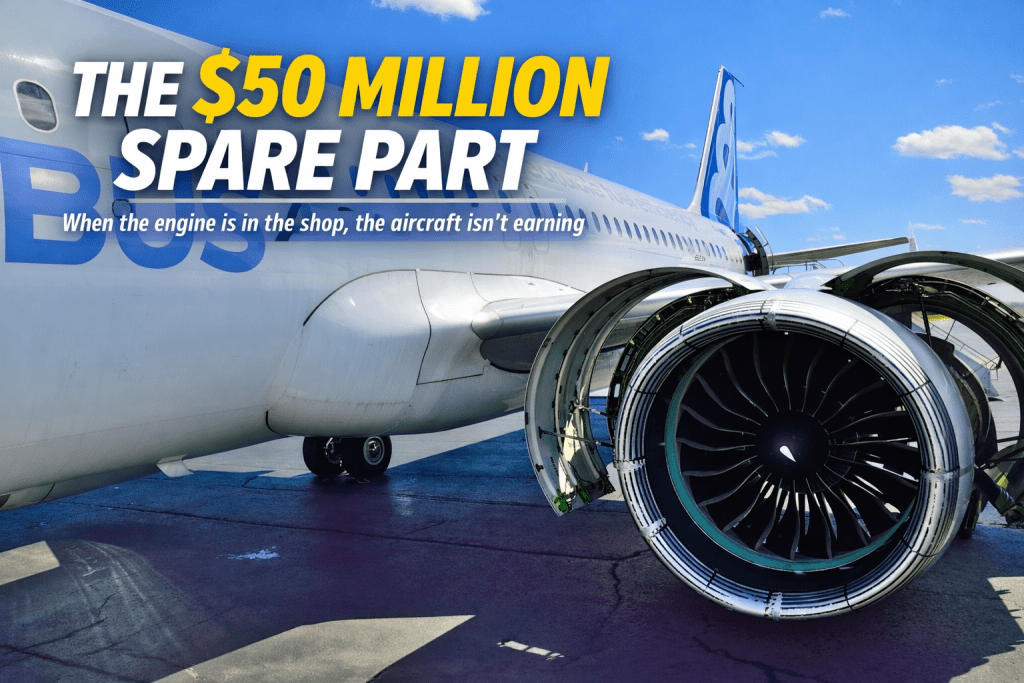
The $50 Million Spare Part

In modern aviation, an engine off-wing is not just maintenance — it is a capacity event. Aircraft do not earn without propulsion. As fleets grow and supply chains tighten, engine availability quietly shapes schedules, economics, and strategy. The real constraint is no longer the airframe, but the powerplant behind it.

The $50 Million Spare Part Read More »

Knock, Knock. Who’s There? Soo the Answer might be “no one” – Single or No human operations

As the aviation industry crosses the $1 trillion revenue threshold in 2026, the second seat in the cockpit has become the world’s most contested real estate. While passenger numbers swell to a record 5.2 billion, airlines are battling a 3.9% profit margin by pushing for Extended Minimum Crew Operations (eMCO). This movement seeks to replace human co-pilots with Agentic AI capable of nanosecond decision-making. However, regulators remain deadlocked by the “15-minute gap”—the time required for a sleeping pilot to overcome sleep inertia during a crisis. While unions fight to keep two humans at the controls, “Ghost Freighters” are already hauling 71.6 million tonnes of cargo autonomously. If these pilotless workhorses finish the year with a perfect safety record, the argument for human redundancy may be grounded forever. The question for 2027 is no longer if the tech works, but if passengers will trust a machine that never blinks.

Knock, Knock. Who’s There? Soo the Answer might be “no one” – Single or No human operations Read More »

The Resurrection of the Superjumbo: Is the A380’s Second Act a Bargain?

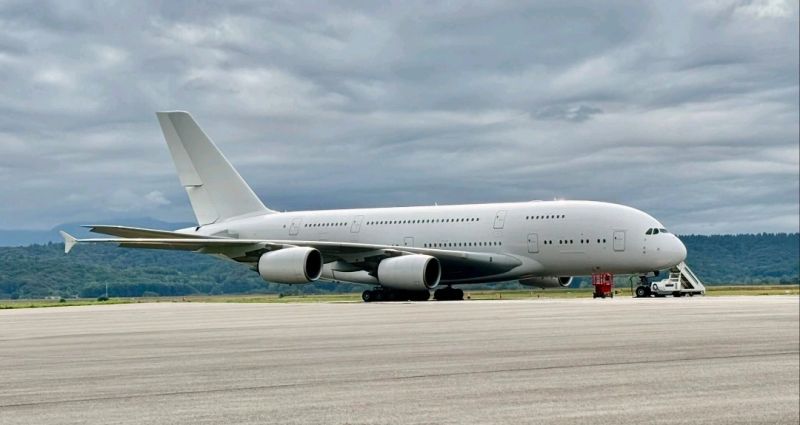
The Airbus A380, once destined for the aviation graveyard following the pandemic-induced travel slump, is experiencing an unexpected and complicated resurgence. The global rebound in air travel, especially on high-density routes and in slot-constrained airports, has forced several major carriers to re-evaluate the superjumbo’s utility. Airlines like Emirates and Qantas have committed to bringing more

The Resurrection of the Superjumbo: Is the A380’s Second Act a Bargain? Read More »

Fumes in cabin and prevention.

US airlines are making significant, multi-faceted investments to address critical issues related to cabin air quality and the long-term reliability of next-generation engines like those powering the Airbus NEO (New Engine Option) family. These expenditures fall primarily into two categories: mitigating the risk of toxic fumes in the cabin and ensuring the durability of modern,

Fumes in cabin and prevention. Read More »

Airbus A330neo & A320neo engine issues

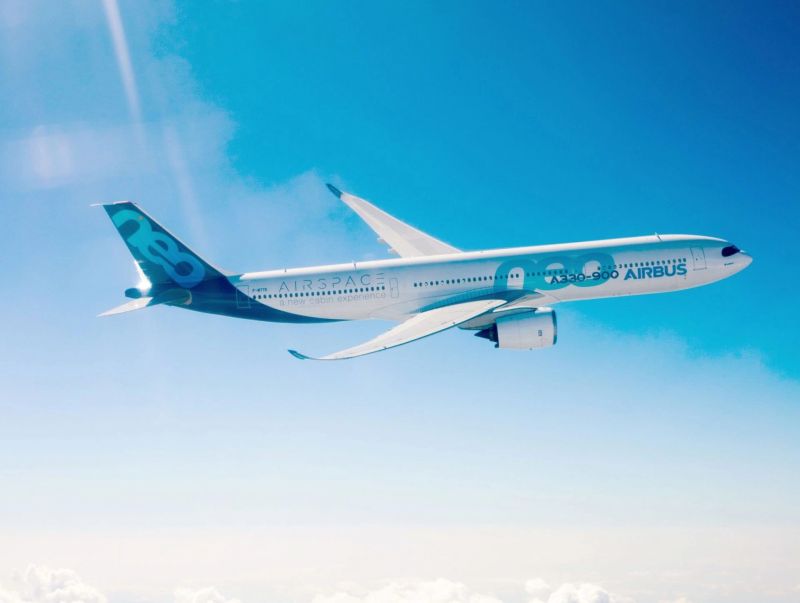
Both the Airbus A330neo and the A320neo, while designed for enhanced efficiency, have faced their share of engine-related challenges. Airbus A330neo Engine Issues: Rolls-Royce Trent 7000 The Airbus A330neo is exclusively powered by the Rolls-Royce Trent 7000 engine. While generally a reliable engine, it has experienced some teething issues, particularly concerning durability and time on

Airbus A330neo & A320neo engine issues Read More »