Gemini said
In 2026, the aircraft procurement landscape is defined by a high-stakes trade-off between capital expenditure and maintenance-driven operational costs. For fleet planners, the decision-making process centers on the 12-year heavy maintenance event, which has become a primary driver of asset valuation.
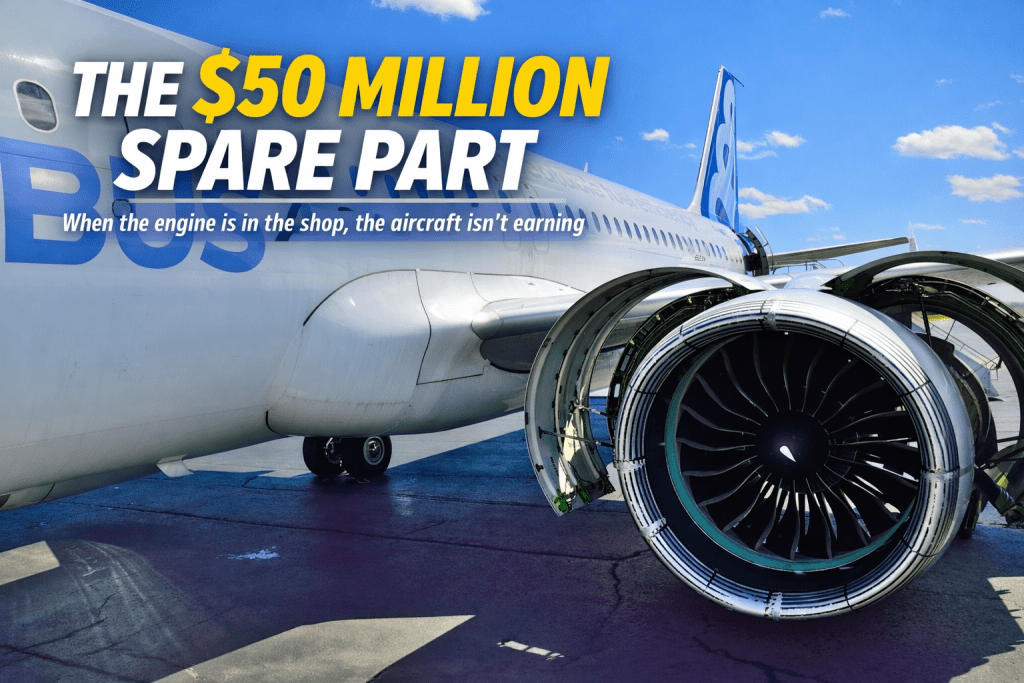
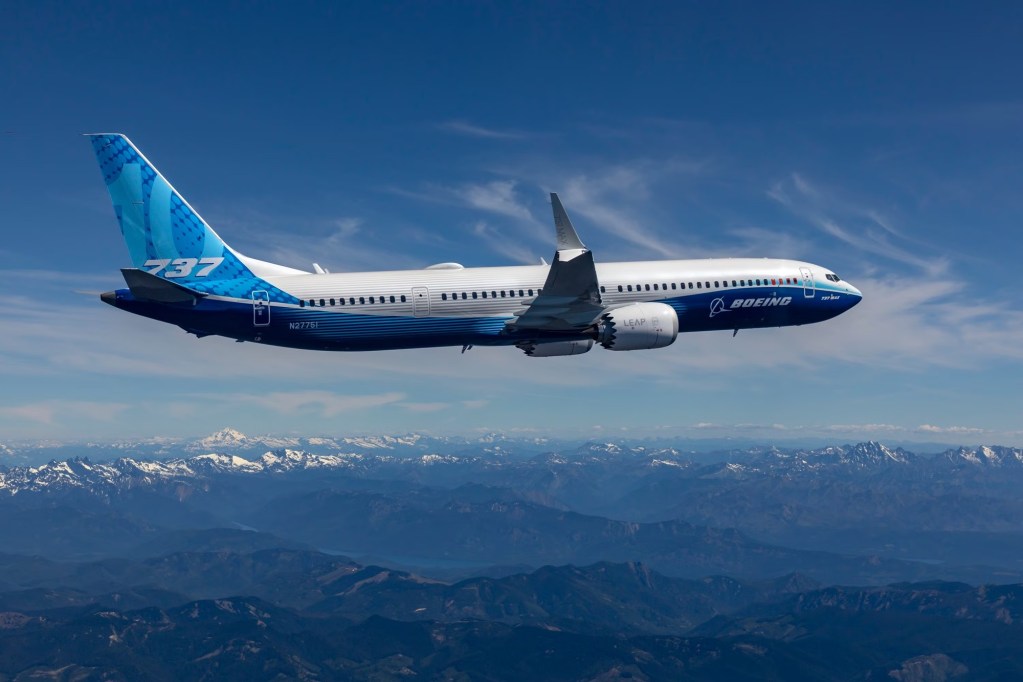
As the industry navigates historic engine scarcity and regulatory transitions, the choice between acquisition models rests on a trade-off between fuel efficiency, mechanical predictability, and immediate capacity needs. New-technology aircraft like the A320neo offer a 20% fuel burn advantage but face significant grounding risks due to durability issues with GTF and LEAP engines. Conversely, mid-life assets like the 737-800 are holding 118% of their projected value because their legacy engines provide the reliability that modern fleets currently lack. While mature assets offer a low-cost entry point, the $1.5 million expense of cabin reconfiguration often undermines their economic viability for short-term “green time” bridge solutions. Finally, ACMI serves as an expensive but essential safety net for maintaining slot integrity amid global maintenance backlogs.