
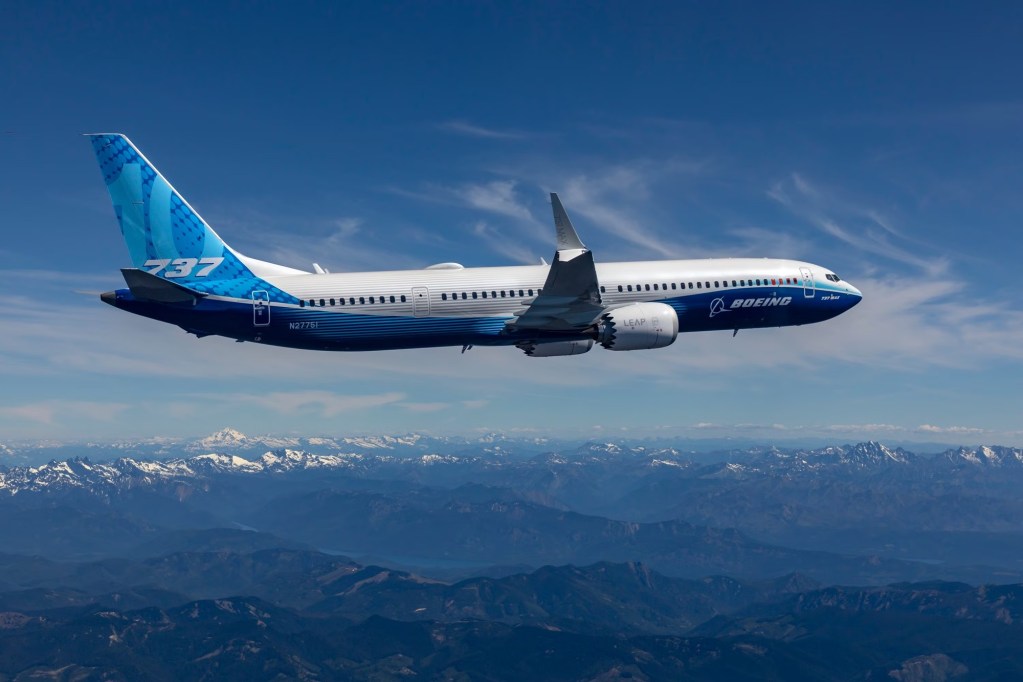
The Boeing 737 MAX 10 is the largest variant in the 737 MAX family, designed to compete directly with the Airbus A321neo in the high-capacity, single-aisle aircraft market. It offers seating for up to 230 passengers in a single-class configuration and aims to deliver improved fuel efficiency and lower operating costs for airlines. However the latest offering in the Boeing family much like the heavily delayed Boeing 777 X might now have tariffs to compete with alongside loosing ground to Airbus and the growing presence of the COMAC although currently limited to several markets only.
Boeing introduced the 737 MAX 10 to address the growing demand for higher-capacity narrow-body aircraft, particularly for short to medium-haul routes. The aircraft is intended to provide airlines with a cost-effective solution that bridges the gap between single-aisle and wide-body jets, offering:
Increased Capacity: Accommodating up to 230 passengers, the MAX 10 allows airlines to maximize revenue on high-demand routes.
Enhanced Efficiency: Equipped with CFM LEAP-1B engines and advanced aerodynamics, it promises up to 20% lower fuel consumption and CO₂ emissions compared to previous-generation aircraft.
Competitive Operating Costs: The aircraft is designed to offer lower per-seat costs, making it an attractive option for low-cost carriers and legacy airlines alike.
The Boeing 737 MAX 10 has garnered significant interest from airlines worldwide, with over 1,200 orders placed. Notable customers include:
United Airlines: The launch customer and largest operator, with substantial orders for the MAX 10.
Ryanair: Placed a firm order for 150 aircraft, with options for 150 more, aiming to expand its fleet and replace older models – these have been threated with cancelation based on tariff increasing prices.
Delta Air Lines: Ordered 100 MAX 10 jets to modernize its narrow-body fleet.
Pegasus Airlines: Committed to 100 aircraft, with options for an additional 100, supporting its growth strategy.
Akasa Air: India’s newest airline, ordered 100 MAX 10 aircraft as part of a larger deal to expand its operations.
In the single-aisle aircraft market, Boeing faces stiff competition from Airbus, particularly with the A321neo and its long-range variant, the A321XLR. As of recent reports, Airbus holds approximately 62% of the market share, while Boeing accounts for around 38%. The introduction of the MAX 10 is a strategic move by Boeing to recapture market share and offer a viable alternative to Airbus’s offerings but now entering in a market where the location of manufacture might be enough to defer any real impact to gain ground.
Want to learn more then why not check out our general familiarisation courses and follow us on LinkedIn