
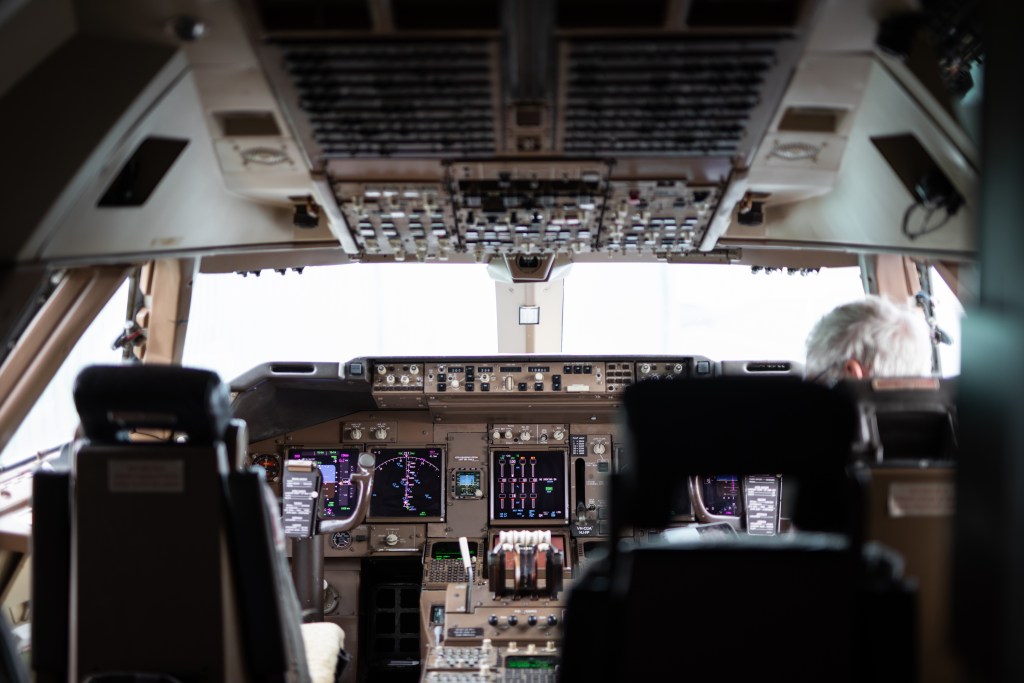
The Boeing 777-200 fuel system is an integral part of its design, ensuring efficient performance and long-haul capability. This twin-engine wide-body aircraft, a member of Boeing’s 777 family, is renowned for its versatility and operational efficiency, partly attributed to its advanced fuel system and tank configuration.Fuel System Overview
The fuel system of the 777-200 is designed to manage fuel efficiently across its range of operations. It includes a network of fuel tanks, pumps, and management systems that ensure optimal weight distribution and engine supply. The system is fully automated, with redundancy to ensure safety and reliability. The fuel quantity indicating system (FQIS) monitors the amount of fuel in each tank, providing real-time data to the flight crew and assisting with load management.
The Boeing 777-200 features a three-tank configuration:
Center Tank:
The largest tank, located in the fuselage center, holds the bulk of the aircraft’s fuel.
Used primarily during long-haul flights, it ensures balanced weight distribution and extended range.
Wing Tanks:
One tank in each wing stores a substantial portion of the fuel.
These are used first during flight to reduce wing loading and improve aerodynamics.
The tanks are interconnected, allowing for fuel transfer as needed to maintain balance and ensure consistent supply to both engines.
Fuel Capacity and Range
The total fuel capacity of the Boeing 777-200 is approximately 31,000 gallons (117,340 liters), which enables its impressive range. The 777-200 has a maximum range of approximately 5,240 to 7,725 nautical miles (9,700 to 14,300 kilometers), depending on the specific variant, payload, and operating conditions. This range makes the aircraft suitable for transcontinental and transoceanic routes.
Efficiency and Safety Features
The system includes safeguards such as vent systems to prevent over pressurization and measures to avoid fuel freezing at high altitudes. Advanced fuel pumps and cross feed valves ensure reliable delivery even under adverse conditions.
In conclusion, the Boeing 777-200’s fuel system, with its strategic tank configuration and high capacity, contributes significantly to the aircraft’s operational flexibility, enabling efficient long-haul travel while maintaining safety and performance standards.
Follow us to learn more on LinkedIn or why not consider learning more on a course https://oat.aero/gen-fams/