
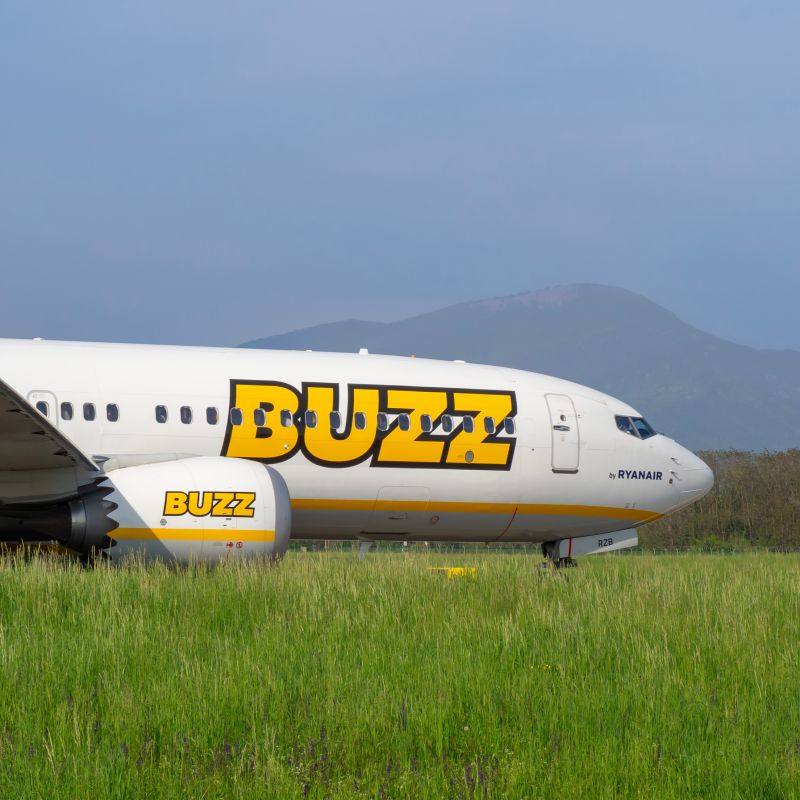
The Boeing 737 MAX’s grounding in 2019 was a watershed moment for the aviation industry. Two tragic accidents exposed critical flaws in the Manoeuvring Characteristics Augmentation System (MCAS), a flight control software designed to prevent stalls and ultimately displayed systematic Boeing failures and a lack of understanding, oversight and due diligence from the FAA – the safety regulator who had blind trust in broken Boeing systems.
MCAS: The Problem and the Fix
MCAS’s reliance on a single Angle of Attack (AoA) sensor, coupled with inadequate pilot training, led to unintended activation and subsequent loss of control. Boeing’s engineers redesigned MCAS, incorporating multiple sensor inputs, revised software logic, and enhanced pilot controls. Extensive testing and simulations validated these changes, ensuring the system’s reliability and safety.
The Regulatory Hurdle
The road to recertification was long with FAA now longer holding confidence multiple aviation authorities worldwide demanded rigorous scrutiny, independent reviews, and comprehensive pilot training programs. The FAA, under intense public scrutiny, faced criticism for its lack of oversight and understanding. This led to a strengthened regulatory framework, ensuring future aircraft certifications adhere to the highest safety standards.
The 737 MAX Today: A New Chapter
The recertified 737 MAX boasts improved safety features and enhanced pilot controls. Airlines are reintegrating the aircraft into their fleets, capitalizing on its fuel efficiency and operational capabilities. Boeing’s commitment to transparency and collaboration with regulators has been crucial in rebuilding trust along with competitive pricing of course.
Lessons Learned and Future Implications
The 737 MAX crisis serves as a stark reminder of the importance of rigorous design, testing, and oversight in aviation. It has also prompted industry-wide discussions about pilot training, oversight and how aircraft design is monitored.
The 737 MAX’s journey is far from over as it continues to prove its worth in commercial service, the lessons learned from its turbulent past will undoubtedly shape the future of aircraft design and safety regulations.
Join us as we delve deeper into the technical intricacies of the 737 MAX, explore the MCAS redesign, understand the regulatory challenges faced, and gain insights into the engineering decisions that shaped the aircraft’s return to service.
Whether you’re an engineer, aviation professional in a supporting role or a lease professional, the 737 MAX general familiarisation course will aid your understanding and demonstrate awareness of the aircraft design and systems. visit our website at www.oat.aero and follow us on LinkedIn