
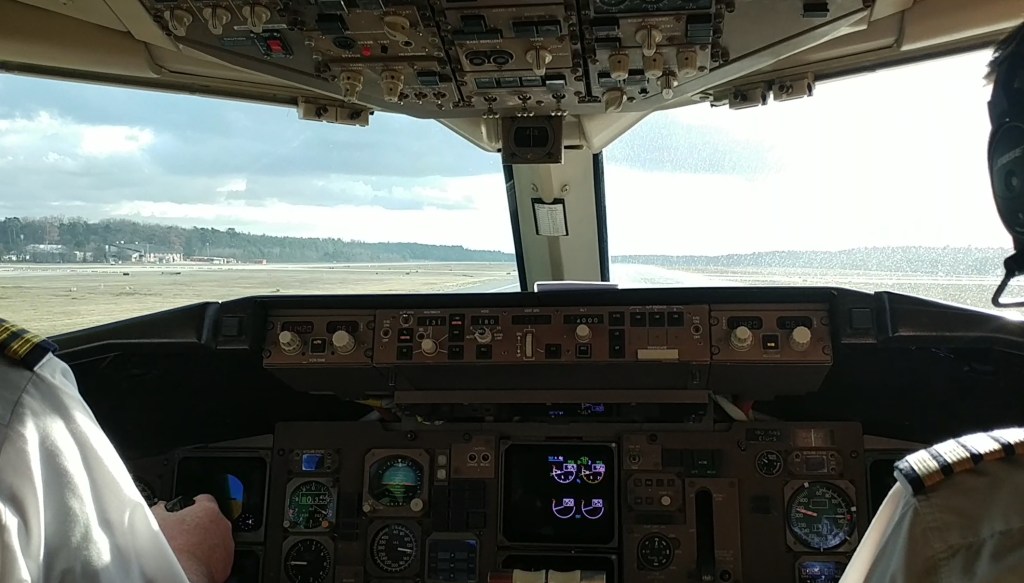
There are multiple systems for safe and accurate navigation and flight management and these systems ensure the aircraft operates efficiently and responds correctly to various flight conditions and navigational requirements – such systems include the following:
Pitot/Static System: This system is fundamental for basic flight data. It measures air pressure variations to provide crucial information like airspeed and altitude. For instance, the pitot tube, exposed to airflow, measures dynamic pressure for calculating airspeed.
Inertial Reference System (IRS): The IRS is vital for understanding the aircraft’s position and movement. It uses gyroscopes and accelerometers to determine the aircraft’s orientation, velocity, and geographical position. For example, the IRS can track the plane’s course over oceans, where traditional ground-based navigation aids are unavailable.
Electronic Flight Instrument System (EFIS): EFIS displays comprehensive flight information on digital screens, replacing traditional mechanical gauges. It includes the Electronic Attitude Display Indicator (EADI) and Electronic Horizontal Situation Indicator (EHSI), offering pilots real-time data about aircraft attitude, navigation, and approach. Pilots use the EFIS for various purposes, such as aligning with the runway during landing in poor visibility conditions.
Global Positioning System (GPS) Integration: Modern aircraft often integrate GPS for precise positioning. This satellite-based system enhances navigation, particularly over remote or oceanic areas where ground-based navigation aids are limited.
Autopilot and Flight Management Systems (FMS): These systems automate many flight tasks, from basic course keeping to complex flight planning. The FMS computes optimal routes, manages speed, and ensures fuel efficiency, significantly reducing pilot workload during long flights.
Each system plays a specific role, from providing basic flight data to complex navigational and operational management, ensuring modern aircraft can safely navigate the skies in diverse conditions.
Why not check out some of our courses such as the Boeing 767 general familiarisation course and follow us on LinkedIn to learn more.